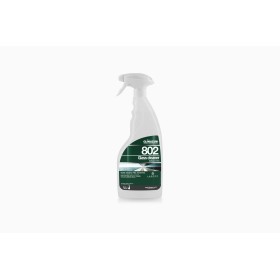
€39.60
€56.57

On board, visibility is everything: for maneuvering safely, navigating comfortably, and maintaining a good appearance of the vessel. Choosing a suitable glass cleaner product helps remove salt residue, fingerprints, and film without leaving streaks, something especially important in marine environments where salt spray easily adheres to surfaces.
There are 20 products.
On a boat, "windows" are not always made of glass: it is common to find polycarbonate, acrylics, or clear vinyl in windows, hatches, windshields, or enclosures. Therefore, it is important to choose the right cleaner and apply it with the correct method to avoid micro-scratches, fogging, or loss of transparency.
In marine environments, a glass cleaner must perform well against three main enemies: salt, grease, and mineral deposits from water. The most recommended options are usually:
- Marine-specific cleaners: Formulated to dissolve salt residue and environmental dirt without leaving haze or sticky residues. They are a good choice for frequent cleaning.
- Multi-purpose cleaners for hard surfaces: Useful for frames, stainless steel, and areas around the glass, as long as they are compatible with transparent plastics if contact may occur.
- Ammonia-free products: Especially important when acrylic or polycarbonate is present, as some aggressive compounds can weaken or cause “crazing” (micro-cracks) in these materials over time.
For a professional result, apply the product onto a microfiber cloth (rather than directly onto the panel if it’s windy), work in straight motions, and finish with a second dry microfiber cloth. This reduces streaks and particle drag.
Choosing a glass cleaner product is not just about strength, it is above all about compatibility with the material. This is key to preserving clarity and avoiding damage:
- Glass (windows and windshields): Can handle more standard cleaners, but on board it’s best to prioritize formulas that remove salt and dry without leaving marks.
- Acrylic (PMMA): Requires gentle cleaners specifically designed for transparent plastics. Avoid products with strong alcohols, ammonia, or solvents unless they are indicated as safe for acrylic.
- Polycarbonate: Even more sensitive to certain chemicals. Choose cleaners compatible with polycarbonate and always use very clean cloths to prevent micro-scratches.
- Transparent vinyl and “clear windows” (enclosures and covers): Require dedicated cleaners that clean without drying out or leaving a film. Proper maintenance extends their lifespan and preserves transparency.
If you are unsure about the material, a practical recommendation is to choose a cleaner that is safe for transparent plastics, it is usually the most “universal” option in a marine environment.
Cleaning is the first step; protection is what makes the next cleaning easier. To maintain transparency and reduce salt buildup, the following are very useful:
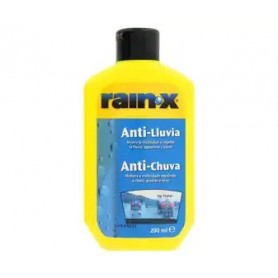
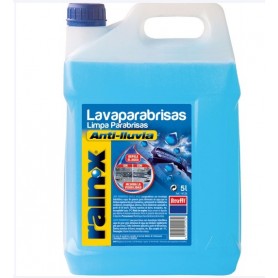
- Hydrophobic treatments: Help water bead off and reduce water spots. While underway or in light rain, they improve visibility.
- Protectants for transparent plastics: Create a layer that reduces wear from friction and the accumulation of dirt, especially on acrylics and vinyl.
- Specialized polishes (when needed): Designed to restore clarity in plastics with light surface scratches. They do not replace cleaners but complement maintenance when the material requires it.
An important tip: the best protection is achieved by applying these products to a perfectly clean and dry surface, following the manufacturer’s instructions and using appropriate applicators (microfiber cloth or soft sponge).