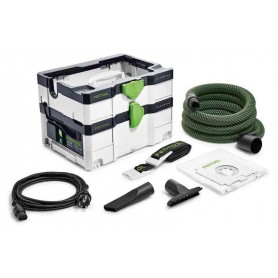
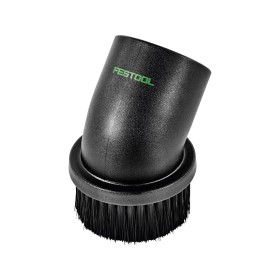
€840.17
€884.39

On a boat, dirt is not like in a house: sand in the shower, fine dust in lockers, dried salt residue, rope fibers, crumbs, hair, moisture, and sometimes occasional spills.
That’s why an industrial vacuum cleaner can be a key tool for keeping cabins and technical areas clean quickly and effortlessly, especially if usage is frequent or professional.
There are 16 products.
In technical tasks such as sanding, marine carpentry, or shipyard maintenance, an industrial vacuum cleaner with proper filtration and continuous operation capability makes a difference compared to a household model.
Choosing the right one is not about buying “the biggest,” but the one that fits your cleaning routine, the size of the boat, and the type of waste you usually remove (dry, wet, or both).
Before looking at numbers, think about where you will use it. In boating, each area imposes different conditions:
- Cabins and interiors: prioritize a manageable vacuum with narrow nozzles for corners, upholstery, and door tracks. If there is carpet or mats, a suitable nozzle greatly improves performance without having to “go over” the same spot several times.
- Cockpit, platform, and walkways: here there is usually sand, salt, and coarser debris. A unit with good tank capacity and a drag-resistant hose is useful, along with robust accessories.
- Lockers and compartments: you need reach and precision: a flexible hose, extension tubes, and fine nozzles to reach corners without dismantling half the boat.
- Galley area: crumbs and dust, but also possible spills. If you expect liquids, it is advisable to choose a model suitable for wet (liquid) vacuuming or a system with specific protection to avoid damaging the motor.
- Engine room or storage areas: more “technical” waste (sanding dust, particles, fine shavings). In these cases, it is worth considering industrial vacuum cleaners with an appropriate filtration class (for example, class L for fine dust) and systems designed for intensive use.
With this area-based approach, you already have a first filter: compact for interiors, larger capacity for general maintenance, and more demanding filtration for technical tasks.
This is where an industrial vacuum cleaner differs from a domestic vacuum. To choose wisely, compare:
- Dry / wet-dry vacuuming type: if you only remove dust and solids, a dry unit may be enough. If there is a risk of liquids, consider a model designed for water suction.
- Useful power and vacuum pressure: more watts do not always mean better suction. What matters is the real ability to lift dirt (vacuum pressure) and move air (airflow) consistently.
- Tank capacity: affects autonomy and convenience. On large boats or for professional use, a larger tank reduces stops; on smaller vessels, a compact format may be more practical.
- Filtration: key for fine dust and allergens. A good filter system prevents the returned air from redistributing dust in the cabin.
- Hose length and accessories: upholstery nozzle, crevice tool, soft brush, extension tubes… In boating, accessories make the difference in tight spaces.
- Robustness and mobility: stable wheels, durable housing, long-lasting cable/hose, and a design that is easy to transport and store.
A vacuum performs well when it is properly maintained. In a marine environment, maintenance is simple but consistent:
- Empty the tank on time: prevents loss of suction and reduces odors, especially if you have vacuumed moisture or organic waste.
- Cleaning or replacing filters: depending on the type of dirt, check the filter frequently. A saturated filter reduces performance and can strain the motor.
- Check hoses and nozzles: sand, salt, and small fibers can cause blockages. A quick check after each use prevents clogs.
- Drying and ventilation: if you have vacuumed moisture, let the tank and accessories air out before storing. This reduces mold and bad odors.
- Use of bags or pre-filters when appropriate: for fine dust, they help keep the interior cleaner and extend the life of the main filter.