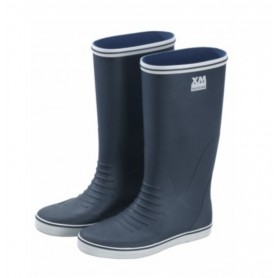
Last items in stock
€32.55

Nautical footwear is an essential part of any sailor’s equipment. Designed to provide safety, comfort, and resistance to moisture, this type of shoe combines technical materials, non-slip soles, and a classic style inspired by life on board. In addition, its versatility allows it to be worn both on deck and on land, without giving up the maritime design that defines it.
There are 70 products.
The main difference lies in the functionality and resistance to the marine environment. While conventional footwear is designed for urban use, nautical footwear is specifically created to withstand moisture, saltwater, and wet surfaces.
Nautical shoes feature non-slip rubber soles, sealed seams, and waterproof or quick-drying materials. In addition, their structures are usually more flexible, allowing safe and comfortable movement during maneuvers on board.
Grip is one of the most important aspects of nautical footwear. The most effective soles are made from natural or synthetic rubber, with herringbone or micro-channel patterns that channel water away and prevent slipping.
It is also essential that they are non-marking, so they do not leave marks on the boat deck. Some models include internal drainage systems or special compounds that improve traction even on wet or splash-covered surfaces.
Yes. One of the greatest advantages of nautical footwear is its versatility. Thanks to its classic design and quality materials, it can easily be worn in urban or casual settings. Oiled leather shoes or technical canvas models maintain their elegant style and are comfortable for walking around the city or marina.
However, it is recommended to avoid prolonged use on abrasive or mountainous terrain, as the soles are designed for grip on smooth surfaces rather than uneven ground.
With regular maintenance, the footwear will maintain its appearance and functionality for longer, resisting the wear and tear of the marine environment.
The most resistant materials are those capable of withstanding moisture, sunlight, and saltwater without deteriorating:
- Treated or waxed leather, flexible, durable, and water-repellent.
- Technical canvas or mesh, lightweight and quick-drying.
- Rubber or EVA soles, which provide grip and cushioning.
This combination ensures robust, comfortable footwear prepared for any voyage, while always maintaining the classic essence of maritime style.