
€840.17
€884.39
In nautical maintenance, there are tasks that a cloth and a brush cannot solve with the efficiency required for intensive use: large surfaces, stubborn dirt, accumulated salt, or hard-to-reach areas.
Having cleaning equipment suited to the job helps you work faster, achieve better results, and avoid damaging the gelcoat, fittings, or interior finishes.
There are 55 products.
The key is to choose the right equipment based on the area, frequency of use, and type of dirt (salt, grease, water marks, algae, or environmental dirt). Below, we guide you to make the right choice.
For shipyards, maintenance companies, and large vessels, industrial cleaning equipment offers greater power, continuous working capacity, and compatibility with technical accessories that streamline demanding tasks.
Comprehensive maintenance usually combines routine cleaning with more intensive interventions. These are the most common types of equipment to cover the “full cycle”:
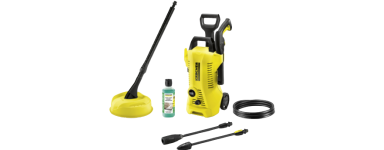
- Pressure washing or controlled flow systems: useful for rinsing decks, cockpits, and exterior areas, always using the appropriate pressure to avoid damaging joints, adhesives, or delicate surfaces. Pressure washers with adjustable pressure and flow are especially recommended in nautical settings, as they allow you to adapt the force of the jet depending on the surface (gelcoat, teak, non-slip, or stainless steel).
- Foam applicators and sprayers: allow even distribution of the product and control of dosage, which is essential when working with degreasers or specific cleaners without wasting product.
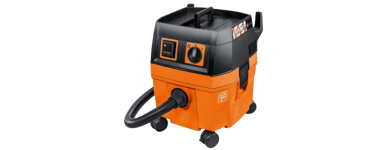
- Interior vacuuming: a vacuum cleaner (dry or with liquid option depending on needs) speeds up the cleaning of cabins, lockers, carpets, and areas where sand and dust accumulate. Keeping the interior dry reduces odors and helps prevent mold.
In professional environments or intensive maintenance, it is advisable to opt for professional-grade wet/dry vacuum cleaners (for example, class L), designed to handle fine dust, moisture, and continuous use.
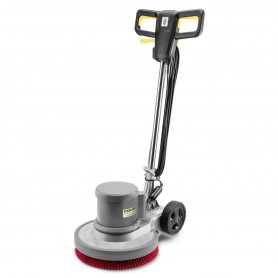
- Scrubbing/brush equipment with accessories: from scrubbing bases to technical brushes attachable to a handle or water system, ideal for non-slip surfaces, teak, and large areas.
If you perform frequent maintenance, prioritize robust equipment with available spare parts and compatible accessories. On boats, durability matters as much as power.
A large part of the effort on board goes into “reaching” the area that needs to be cleaned. That’s why, in addition to the main equipment, it’s important to consider reach solutions:
- Telescopic handles and poles: allow you to clean windshields, hull sides, bimini tops, awnings, flybridges, or high areas without awkward postures. They improve safety and reduce the risk of slipping.
- Angled accessories and interchangeable heads: for cockpit corners, around stanchions, winch bases, rails, or joints where dirt becomes embedded.
- Wide brushes for large surfaces: speed up cleaning of decks or hulls, especially when working with marine shampoo and controlled rinsing.
- Specific nozzles and lances: in water or pressure equipment, they help adjust the jet to rinse without spreading dirt onto already cleaned areas.
For more demanding work or seasonal reconditioning, industrial cleaning equipment with technical accessories—such as adjustable lances, specific nozzles, or steam systems—allows access to complex areas with greater precision and less effort, while maintaining proper control over power and flow.
Although many pieces of equipment are labeled as “industrial,” in nautical settings it is important to focus on specific characteristics:
- Compatibility with the marine environment: materials resistant to corrosion, humidity, and salt. This includes connections, fasteners, and exposed metal parts.
- Power and flow control: especially important in water washing. Adjustable equipment reduces risks to joints, silicone, adhesives, and finishes.
- Accessory system: true versatility is defined by the available heads, brushes, nozzles, and adapters. A good accessory ecosystem multiplies the value of the equipment.
- Ergonomics and handling: weight, balance, hose/cable length, and ease of transport. Work on board is done in confined spaces, and that matters.
- Intended use: weekly maintenance cleaning is not the same as seasonal reconditioning. Choosing equipment based solely on “maximum power” is usually a mistake if it doesn’t match the intended use.