In Stock
€36.12
€45.15

A good engine cleaner is key to keeping the marine engine in optimal condition, preventing breakdowns, and making onboard maintenance easier. In boating, the buildup of grease, salt residue, oil traces, and deposits in the cooling system can affect performance and accelerate corrosion.
There are 13 products.
Not all residue requires the same treatment. An engine degreaser is designed to remove oil, embedded grease, dried fuel, and stubborn dirt from engine blocks, covers, engine beds, or hard-to-reach areas. It is commonly available as a spray, ready-to-use liquid, or concentrated formula, depending on the maintenance frequency and the surface to be treated.
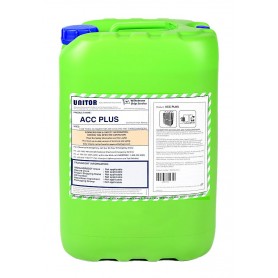
For cooling system cleaning, there are products specifically formulated to remove deposits, mineral residue, and scale buildup that can restrict circulation and reduce system efficiency. They are especially useful for engines exposed to saltwater or left inactive for long periods.
Their practical advantages are clear:
- Better visual inspection.
- Faster detection of leaks or corrosion.
- Easier preventive maintenance.
- Greater confidence in the engine’s condition.
Depending on the situation, it is advisable to choose between compact formats for occasional use, larger containers for frequent maintenance, or solutions compatible with metals, rubber, plastics, and seals.
Before applying any engine cleaning product, it is important to work with the engine turned off, cool, and in a well-ventilated area. It is also recommended to protect electrical connections, the alternator, sensors, and components sensitive to direct contact with liquids.
For external cleaning, apply the engine degreaser to the surface, leave it to act for the recommended time, and remove the dirt with a cloth, brush, or soft bristle brush. In heavily greased areas, it may be necessary to repeat the process. In engines with limited access space, spray formats are usually more convenient.
If you are carrying out a cooling system cleaning, only use products compatible with the type of engine and always follow the manufacturer’s instructions. Not all cleaners are suitable for every system, and respecting compatibility helps prevent damage to hoses, seals, or metal components.
After cleaning, it is recommended to inspect hoses, clamps, bolts, and areas prone to oxidation. This check helps detect wear or small leaks before they become more serious failures.
The marine environment demands more than a conventional cleaner. Humidity, salt, and continuous exposure to corrosive agents make it necessary to use a product formulated for marine engines and compatible with materials subjected to harsher conditions.
Compared to a generic cleaner, a marine-specific cleaner offers:
- Better compatibility with metal surfaces.
- Greater effectiveness against boating-related residue.
- More suitable maintenance for boats used intensively, seasonally, or kept moored.
To choose the right product, it is worth considering the type of engine, the level of dirt buildup, the frequency of use, and the available onboard storage space for maintenance products.
At Nautichandler, you can find a wide range of solutions, convenient online shopping, and expert advice to help you choose the most suitable option. Explore the catalog and select the ideal product to care for your engine with confidence.