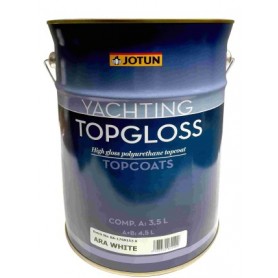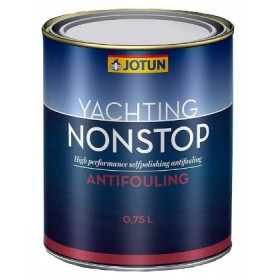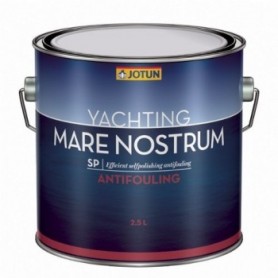

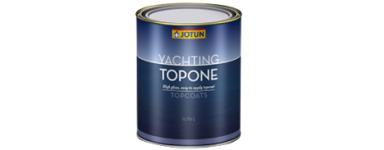

Available under demand
€167.17
€208.97
Jotun paints are synonymous with quality and durability in the nautical world. With a wide range of solutions for various surfaces, Jotun ensures the long-term protection and performance of your boat, even in the most demanding marine environments. Below are answers to some of the most frequently asked questions about Jotun marine paints.
There are 33 products.
For steel boats, Jotun epoxy paints are highly recommended, as they serve as effective anti-corrosion coatings. These paints are specifically designed to protect steel from corrosion and wear caused by harsh marine conditions. Epoxy coatings create an impermeable barrier that prevents oxidation and ensures long-lasting protection against the harsh conditions of saltwater and moisture.
Keep in mind that, for above the waterline (topsides), epoxies are excellent for sealing and protection. For below the waterline (the hull), you should consider antifouling or other specialized coatings to prevent marine growth.
Jotun marine paints for metallic surfaces offer key benefits:
- High corrosion and abrasion resistance
- Long-term protection in extreme marine environments
- Excellent adhesion and durability, ensuring an even finish
These qualities make Jotun a reliable solution for maintaining your vessel's condition and performance over time.
Yes, applying a primer before using Jotun topcoats is highly recommended, especially on metal or fiberglass surfaces. Primer promotes optimal paint adhesion, seals the surface, prevents corrosion, and improves the durability of the topcoat.
Using a primer ensures that the Jotun coating performs as intended in terms of adhesion to and protection for your vessel. Always refer to the technical data sheet for guidance on the correct primer based on surface material and paint used.
The lifespan of Jotun paint depends on several variables. On average:
- Topcoats (finishes): last 2 to 5 years in saltwater and sun-exposed conditions.
- Antifouling: lasts around 2 years.
- Epoxies and polyurethanes: offer long-lasting protection, especially with proper upkeep.
Durability depends on the usage and maintenance of the vessel, as well as the paint's correct application.
Maintaining Jotun-painted surfaces involves several essential steps to ensure durability. It is important to regularly remove salt and dirt buildup from the hull, superstructure, masts, or other components.
It is also recommended to perform annual inspections to check for damage or wear on painted surfaces and perform repairs if needed. If the boat is out of use, it is advisable to take protective measures in order to prevent prolonged sun exposure.
In addition to the technical data sheet, many Jotun products include a maintenance guide with detailed instructions to properly care for painted surfaces tailored to the specific type of paint used.