










Available under demand
€62.80
€78.50

Choosing the right paint for your boat is important to keep it protected and looking good for a long time. At Nautichandler, we offer a wide range of specialized products for every type of vessel, ensuring the durability and performance needed to meet the demands of the marine environment.
There are 1007 products.
The type of marine paint to use depends on the area of the boat you want to paint and the sailing conditions. For the hull (above the waterline or topsides), epoxy or polyurethane paints are the most recommended, as they offer high adhesion, saltwater resistance, and protection against corrosion. These types of paints are not recommended for the bottom of the hull (below the waterline or underwater hull), where a specific antifouling paint is needed to prevent marine growth.
These options are also highly durable and allow for a smooth, wear-resistant finish. For decks or the boat's interior, acrylic paints are a more flexible option, offering suitable abrasion resistance for surfaces exposed to heavy traffic and continuous marine conditions. In addition to being flexible, acrylic paints are repairable, which makes it easier to maintain the finish in perfect condition over time.
The price of our marine paint varies depending on the type of product, the quality, the brand and the amount needed. Key factors that influence the cost include the size of the boat and the sailing conditions.
Paints specialized for superyachts or those with high-performance components designed to withstand extreme conditions tend to be more expensive. Additionally, the type of finish matters: high-quality finish paints, such as antifouling, may come at a higher price due to their long-lasting protective properties.
The durability of marine paint depends on several factors, such as the type of paint, sun exposure, maintenance, and sea conditions. In general:
- Hull paints can last between 2 and 5 years, depending on the type of paint and the level of care.
- Deck finishes may require more frequent renewal, especially if the boat is exposed to extreme conditions like prolonged sun exposure, saltwater, or constant foot traffic.
Before applying paint to your boat, it's crucial to ensure that the surface is clean, dry and well-prepared. Sanding and deep cleaning are essential to remove any residue or old paint and to allow better adhesion of the new paint.
Make sure that environmental conditions are suitable for application (recommended temperature and humidity), and choose the right paint according to the type of surface and the part of the boat you're working on.
Remember that each product has specific usage conditions, so it's always important to consult the technical datasheet. It will provide details on the optimal application conditions and the necessary care to achieve the best results.
Although both terms refer to paints designed for boats, there are some key differences:
- Marine paint: Refers mainly to products used on the exterior of the boat, such as the hull, deck, and other areas exposed to marine conditions. These paints are formulated to resist corrosion and wear from salt conditions and sun exposure.
- Naval paint: This term is more commonly used for paints intended for larger vessels, such as military or commercial ships. Naval paints are designed to offer greater durability and resistance in more demanding environments, such as those with higher traffic or harsher weather conditions.
For a boat hull, epoxy paints are ideal due to their high resistance to moisture and corrosion, providing a durable finish that protects against saltwater. However, the paint should match the boat's material:
- For wood, specialized paint that protects against moisture is recommended.
- For aluminium and steel, anticorrosive paints should be used.
- Fiberglass or carbon fiber boats require epoxy or polyurethane paints that ensure durability without affecting the structure of the material.
It's also essential to use antifouling paint to prevent the growth of marine organisms on the underwater hull (below the waterline) and to keep the hull clean and efficient.
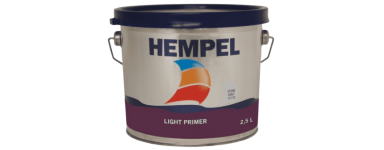
It is not recommended to apply marine paint without a primer, especially if the surface has never been painted before. Primer provides a solid base for the paint, ensuring optimal adhesion and improving durability of the paint layer.
On hull surfaces or areas exposed to moisture, primer also helps prevent issues like decay and corrosion.